
Cedar Mountain Sheep Migration Marks Autumn in Iron County
Published November 9, 2026
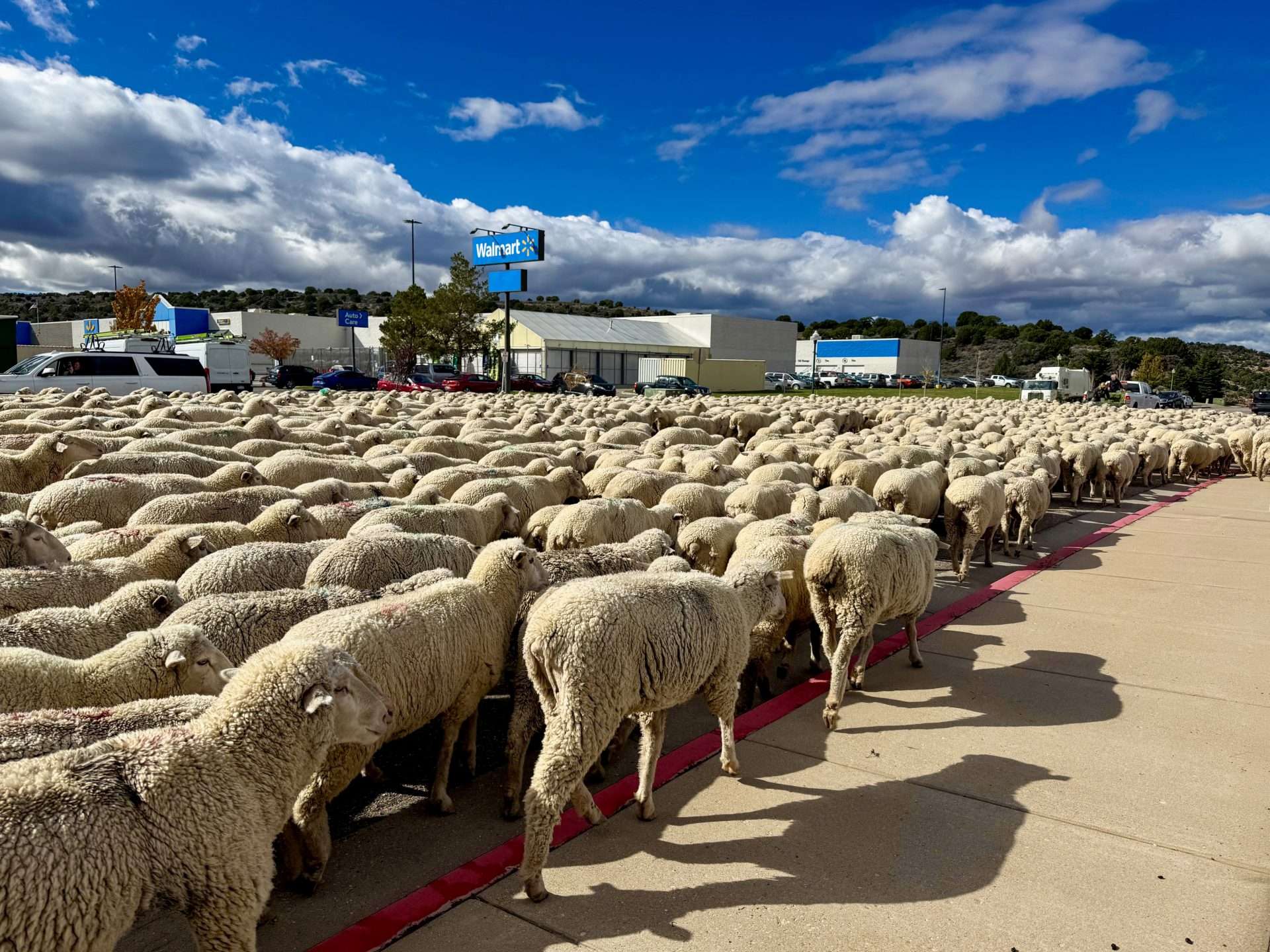
For those of us living in southern Utah, the arrival of autumn brings familiar seasonal markers. The aspens turn along the high ridges, morning frost begins to settle across the valleys, and the annual agricultural cycles wrap up before winter sets in. In Iron County, that seasonal turn includes a longstanding tradition documented by May Hunter for Iron County Today: each fall, thousands of sheep make their journey down from the high summer pastures of Cedar Mountain toward the lower valley.
While much of the state's attention stays fixed on the bustle of I-15 traffic, construction, and rapid growth, events like this serve as a grounding reminder of the deep agricultural heritage that continues to define rural communities across our Utah counties directory.
An Autumn Tradition in Iron County
The annual trailing of sheep down Cedar Mountain is an enduring fixture on the local calendar. As reported by Iron County Today, thousands of head make the seasonal trek once the grazing window on the mountain draws to a close. High-elevation forage sustains the herds through the heat of summer, but dropping temperatures and the threat of early mountain snow require ranchers to bring their livestock down into the valley floor for the colder months.
Watching thousands of sheep navigate the trails and rural roads off Cedar Mountain is an experience unique to this corner of the state. For generations of Iron County families, this migration has marked the official transition between summer range operations and winter feeding. It connects the high country above Cedar City with the broad desert valleys below, reflecting the natural rhythms that have guided ranching in the region since early settlement.
Navigating Seasonal Shifts in Southern Utah
For residents and travelers moving between the mountains and the valleys of southern Utah, the seasonal trailing of livestock is a reminder to slow down and stay observant. Rural roadways and access routes coming off the mountain occasionally share right-of-way with moving herds during peak trail days. Local drivers accustomed to the routine know that patience is part of life off the interstate corridors.
These working traditions also highlight the diverse character of communities cataloged in our Utah cities directory. While northern hubs grapple with canyon traffic and expanding tech corridors, southern and central Utah communities still coordinate daily life around active livestock grazing and open rangeland management. Even as regional policy issues shift—such as discussions documented in Grand County Considers Limits or Full Ban on Data Centers—traditional ranching operations continue to form the economic and cultural backbone of counties like Iron.
What It Means for Local Residents and Business Owners
For business owners and residents throughout Iron County, the autumn descent from Cedar Mountain signals the shift into late-season commercial activity. Agricultural expenditures, livestock transport, and seasonal equipment maintenance ramp up as herds enter their winter ranges.
At the same time, the transition brings seasonal foot traffic into commercial districts. Neighborhood establishments serving the community—from farm supply centers to personal care spots like Royal Studios in Cedar—regularly see their customer schedules shift as family ranches transition out of summer grazing routines. Keeping track of these seasonal patterns helps operators among Cedar, Utah businesses anticipate staffing, inventory, and service needs as southern Utah heads toward winter.
Preserving Rural Rhythms in Modern Utah
Utah continues to change rapidly, but traditions like the Cedar Mountain sheep drive demonstrate that our rural heritage remains an active, working reality rather than just a page in local history books. When thousands of sheep descend the slopes of Iron County each fall, they carry forward practices that have sustained families here for well over a century, offering all of us across Utah a moment to appreciate the enduring connections between our mountain plateaus and the valleys below.