
Grand County Considers Limits or Full Ban on Data Centers
Published November 9, 2026
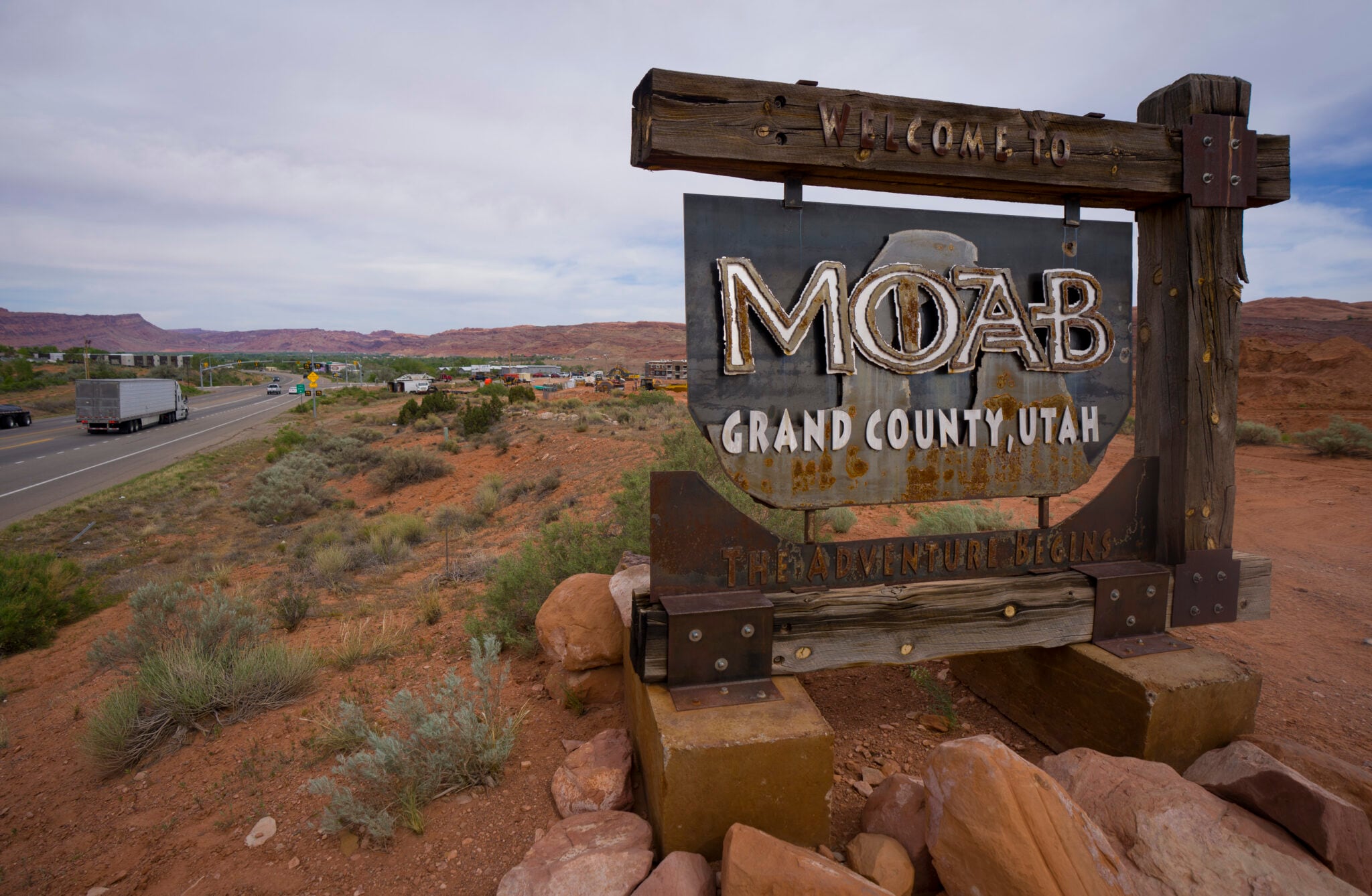
As communities across the state navigate changing economic landscapes, local leaders are paying closer attention to how large-scale industrial projects fit into regional plans. From the tech hubs expanding near the Point of the Mountain to the quiet desert expanses of southern Utah, decisions around land use and commercial zoning continue to shape our daily lives. In Grand County, local officials are stepping forward to formally examine how data storage facilities should be handled in their corner of the state.
Commissioners in Grand County recently took decisive action regarding data center proposals by voting unanimously to allocate funds for policy development. Specifically, the commission approved spending up to $5,000 to prepare draft rules that will explore two distinct options: completely prohibiting data centers or establishing parameters that allow only smaller facilities to operate.
A Formal Review of Data Center Policies
The unanimous decision by the Grand County commission marks an initial step toward establishing clear zoning standards for technology infrastructure. Rather than leaving development guidelines open or addressing applications on an ad-hoc basis, the county's $5,000 expenditure is aimed at preparing concrete draft language.
By focusing the drafting process on two specific paths—either a total ban or restrictions that permit solely smaller facilities—the county is exploring how to retain control over the scale of local infrastructure. For communities keeping track of municipal and county codes across our Utah counties directory, zoning updates like this demonstrate how rural jurisdictions proactively establish development boundaries.
Contrasting Development Across Utah
Commercial infrastructure needs often look very different depending on where you are in the state. Along the Wasatch Front and down through central Utah, large facilities and business parks have become a standard fixture near interstate corridors and suburban hubs. Commercial specialists like Northern Steel Building & Construction in Utah County operate in an environment where industrial and commercial structures regularly support rapid population and business growth.
In contrast, southern Utah counties often weigh land use decisions against different local priorities, such as community scale, utility capacity, and regional planning goals. Deciding whether to prohibit large technology facilities outright or restrict them to smaller, manageable operations reflects an ongoing conversation about what types of enterprise best fit rural and scenic areas.
What This Means for Local Residents and Utah Business Owners
For residents and entrepreneurs across the state, county land-use planning plays a major role in setting the tone for local business environments. Predictable zoning codes give commercial property owners clarity, while ensuring residents understand what kind of neighboring facilities might be built near their neighborhoods or along key travel corridors.
When a county considers banning an industry or capping facility sizes, it influences how local resources and land are allocated over the long haul. A clear regulatory framework ensures that whether an entrepreneur is running a service enterprise, operating a storefront, or exploring regional development, the rules of the road are clearly defined. Local commercial growth and residential wellbeing often go hand in hand; whether folks are commuting to regional jobs or working with wellness providers like Brennan Bellon, ACMHC | Therapy in Utah County in Utah County, community character remains deeply connected to local planning.
Business owners monitoring opportunities across varied markets can observe these shifts through our guides to Utah County, Utah businesses and other regional centers to see how differing county approaches impact long-term commercial investment.
The Next Steps for Grand County Rules
With the $5,000 allocation approved unanimously, the process now shifts to drafting the language that will define Grand County's official stance. Once the draft rules exploring the prohibition and smaller-facility options are formulated, county leaders will have the structured choices needed to deliberate further.
As these discussions unfold, staying informed on civic decisions helps residents and commercial operators stay ahead of zoning trends. You can follow broader regional developments and discover how communities throughout the state manage growth by exploring our Utah cities directory and regular statewide coverage.