
Affordable Housing Arrives at Old Liberty Wells Center Site
Published November 15, 2026
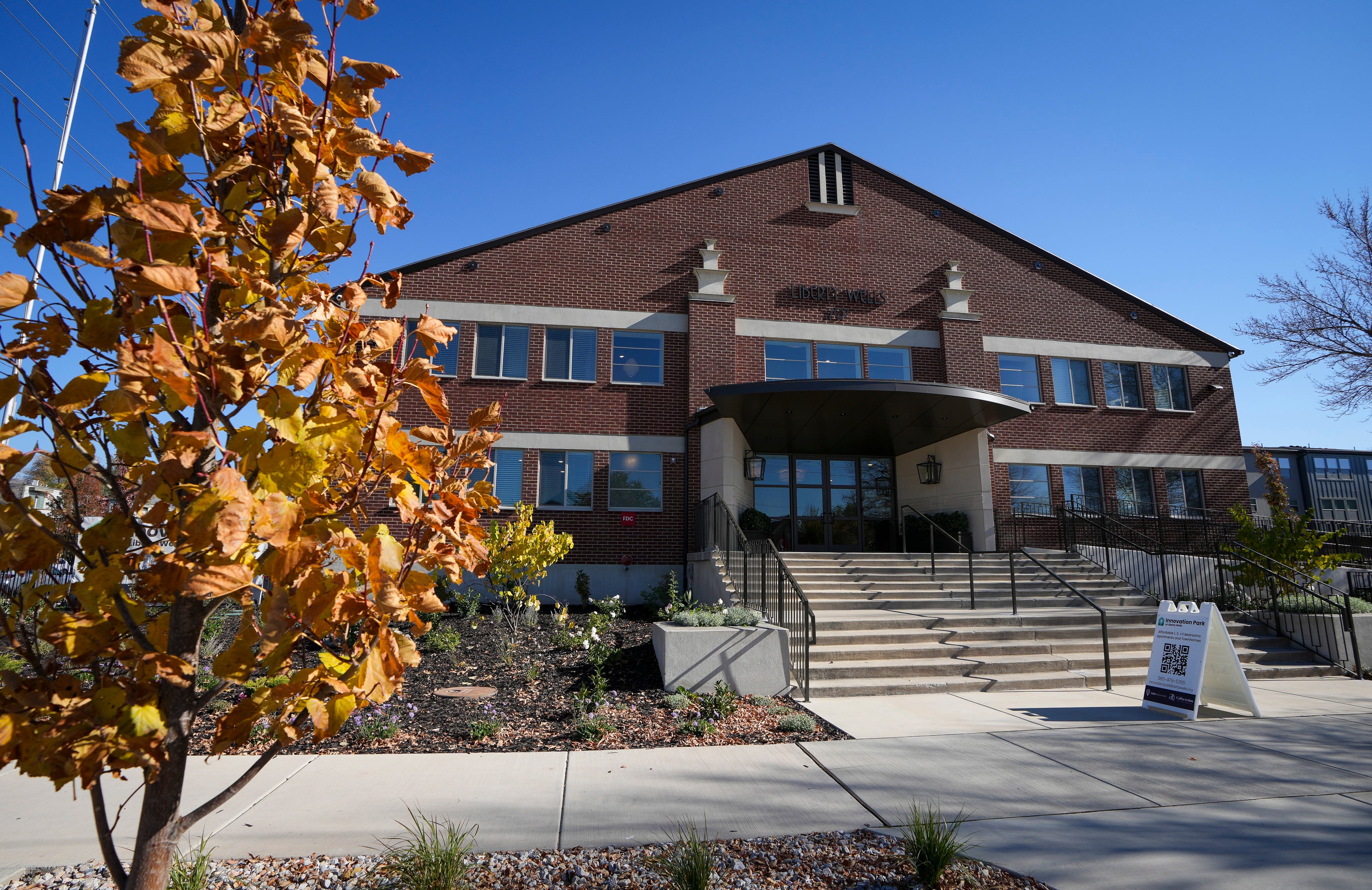
Anyone who drives through the central neighborhoods of Salt Lake City knows how quickly our urban landscape is evolving. Between the high-density cranes downtown and the infill popping up along historic avenues, finding practical ways to house our community is a daily conversation here along the Wasatch Front. A notable step in that ongoing effort has taken shape in the heart of the capital city, where the former Liberty Wells Center gymnasium and its adjacent fields have been revitalized into new affordable housing.
Assisted by The Church of Jesus Christ of Latter-day Saints, the redevelopment gives a second life to an established parcel of land inside one of the city's most recognizable residential enclaves. Rather than seeing a long-standing recreation site sit vacant or face an uncertain future, the project repurposes the gym footprint and surrounding recreational grounds to meet one of the most pressing needs facing residents across the Salt Lake Valley.
Repurposing Historic Neighborhood Footprints
The Liberty Wells neighborhood has long been cherished for its tree-lined streets, classic bungalows, and walkability. Historically, community hubs like local wards, neighborhood centers, and recreation fields served as anchors for neighborhood gatherings, youth sports, and civic events. Over time, as community needs shift, the physical spaces that once hosted basketball leagues and neighborhood programs must also adapt.
By taking the existing Liberty Wells Center gymnasium and the surrounding fields and converting them into affordable homes, this project demonstrates how existing community properties can be reimagined. With contributions from The Church of Jesus Christ of Latter-day Saints, the property transition focuses directly on affordability, offering families and individuals a place to plant roots right within the established core of Salt Lake City rather than pushing workforce housing out to the edges of the valley.
Growth and Housing Along the Wasatch Front
For those of us watching growth ripple from the Point of the Mountain all the way north to Davis and Weber counties, housing affordability remains at the forefront of local policy. Urban infill projects are particularly critical because they make efficient use of existing infrastructure, roads, and utilities without requiring sprawling new developments into open spaces.
When affordable housing is integrated into mature neighborhoods like Liberty Wells, residents gain direct access to central transit routes, bike corridors, and downtown employment centers. It reduces long commutes on I-15 and keeps people closer to the schools, parks, and cultural spaces that make urban living appealing. You can explore how adjacent communities and neighborhoods are handling their own localized growth through our Utah cities directory as well as the broader Salt Lake County County directory.
What It Means for Residents and Local Businesses
For local residents and independent business owners throughout central Salt Lake City, infill housing like this brings clear, practical benefits. Local businesses rely on having both customers and employees living within a reasonable distance of their storefronts.
When people can afford to live near where they work, neighborhood commercial districts thrive. Residents living in the revitalized Liberty Wells Center space are situated just minutes away from essential retail hubs, service providers, and grocers, such as Macey's Market Sugarhouse in Lake City, which serves households across nearby neighborhoods. Having a stable base of residents helps sustain neighborhood coffee shops, repair garages, corner markets, and professional offices across Salt Lake City, Utah businesses.
For local employers, workforce housing in the urban core means staff members face shorter commutes and less time stuck in seasonal canyon or freeway congestion. That stability ripples outward, strengthening neighborhood identity and keeping local dollars circulating within the community.
Looking Ahead at Community Adaptive Reuse
As cities throughout the state balance preservation with progress, adaptive reuse projects offer a practical blueprint. Transforming a neighborhood gymnasium and playing field into residential units preserves a sense of community service on the property while meeting modern living requirements. Supported by community partners, these redevelopments ensure that long-standing neighborhoods remain inclusive, vibrant places for generations to come. To see how other communities across the state are evolving, visit our comprehensive Utah counties directory.